Floor Décor Kenya provides advanced precast membrane tank construction solutions using high-performance HDPE geomembrane liners and composite slab covers. This system delivers durable, leak-proof underground water storage while significantly reducing excavation costs, concrete usage, and construction time.
Designed for Kenya’s varied soil conditions — including deep black cotton soil and unstable top layers — our membrane tank system is ideal for residential, agricultural, commercial, and institutional projects.
A membrane tank is an underground water storage system that combines:
Reinforced concrete walls built only in stable soil zones
Heavy-duty HDPE geomembrane liner for waterproofing
Precast composite slab covers for structural support
Instead of constructing full concrete walls from ground level down, we build only within stable subsoil (such as murram), and rely on the HDPE liner to seal upper unsupported sections. This innovative approach minimizes structural risk and reduces material costs without compromising durability.
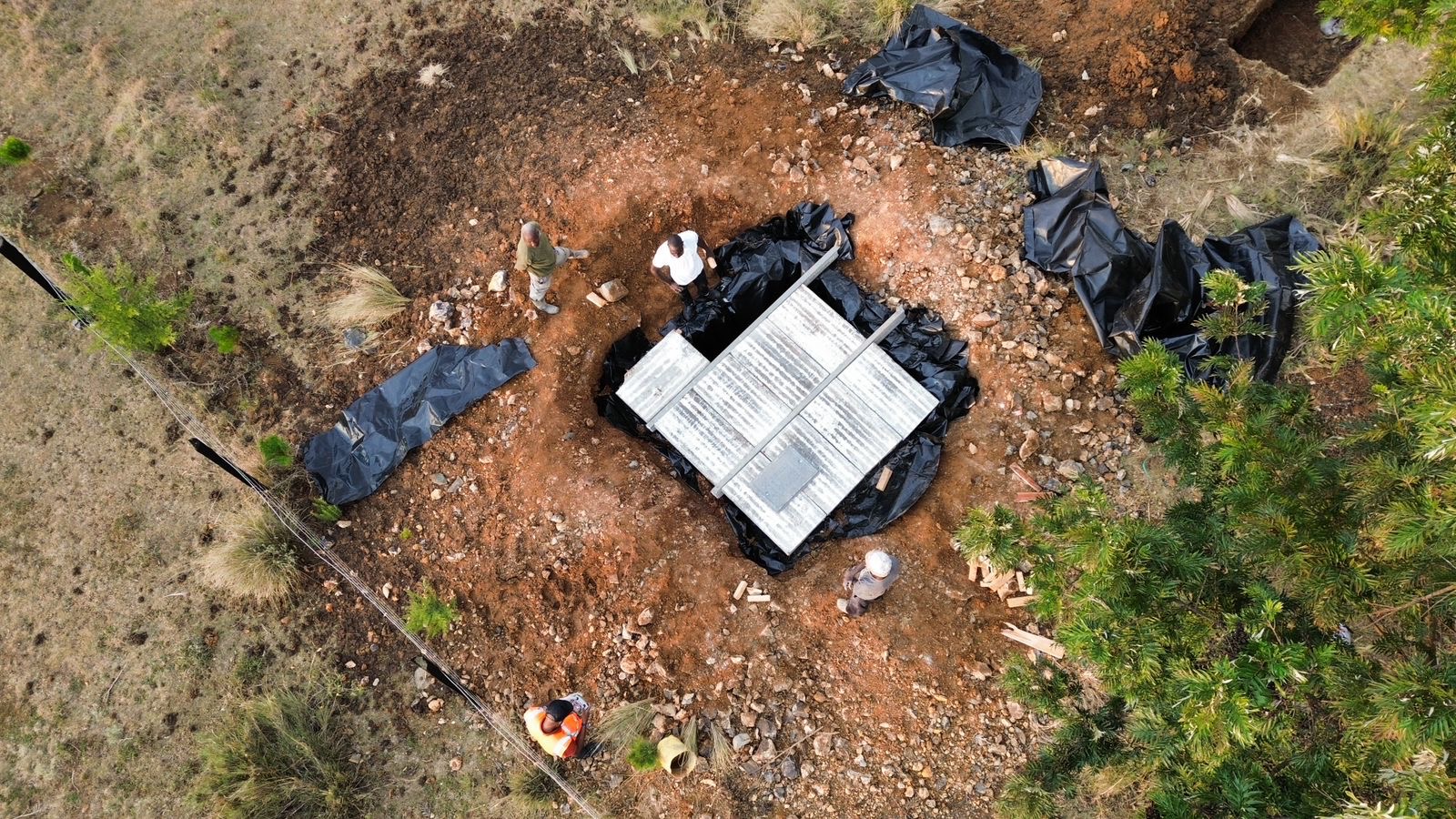
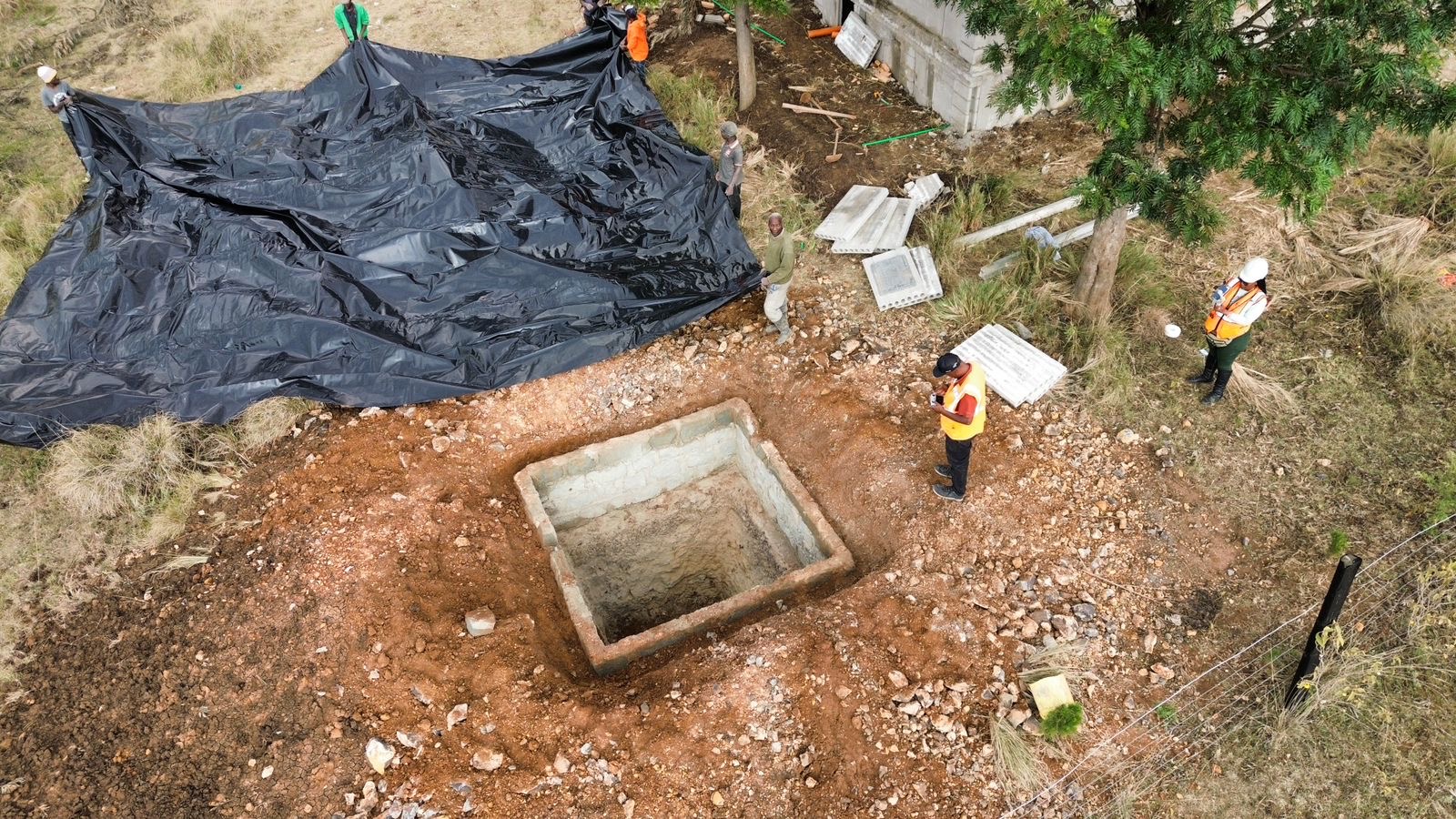
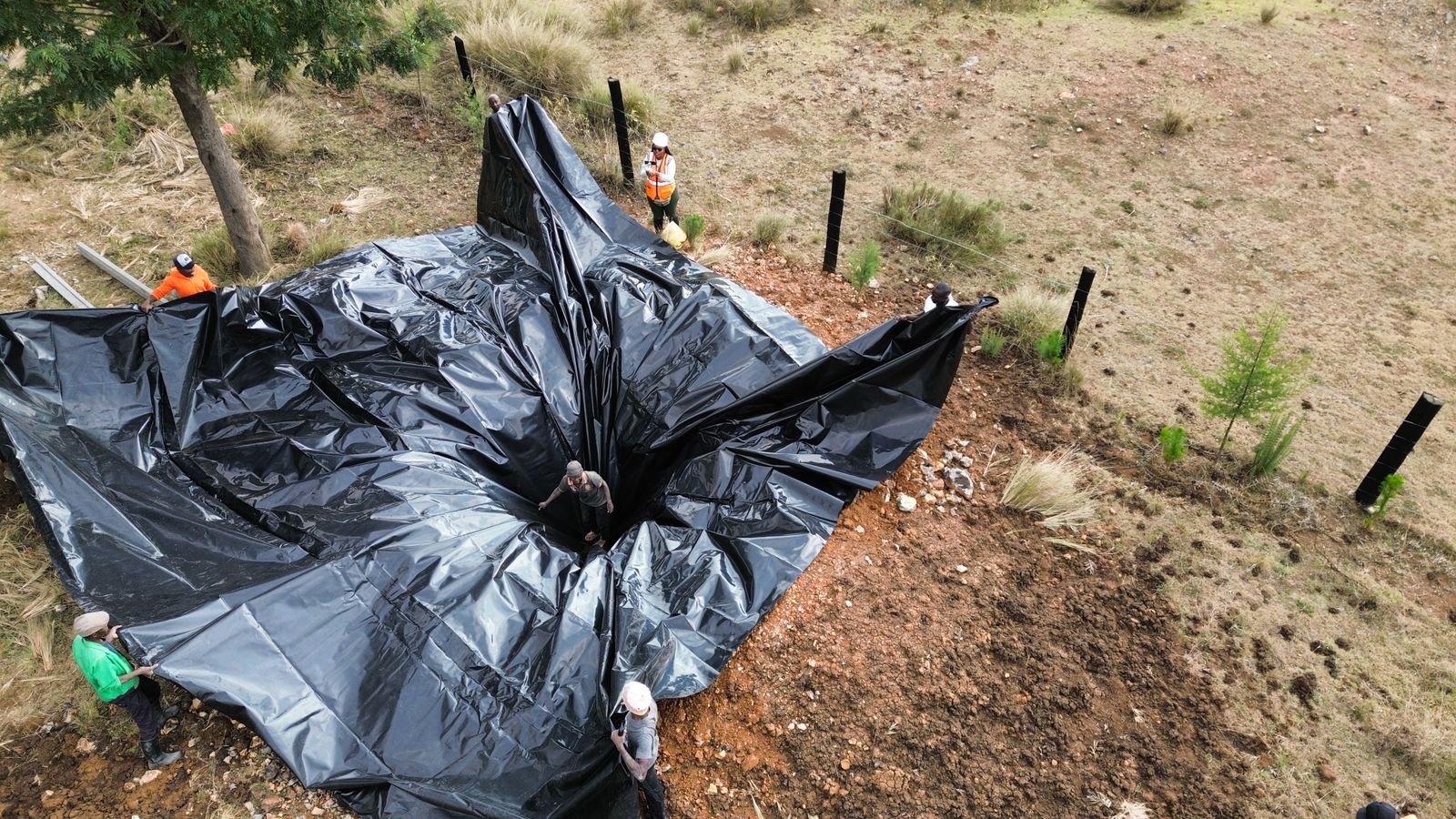
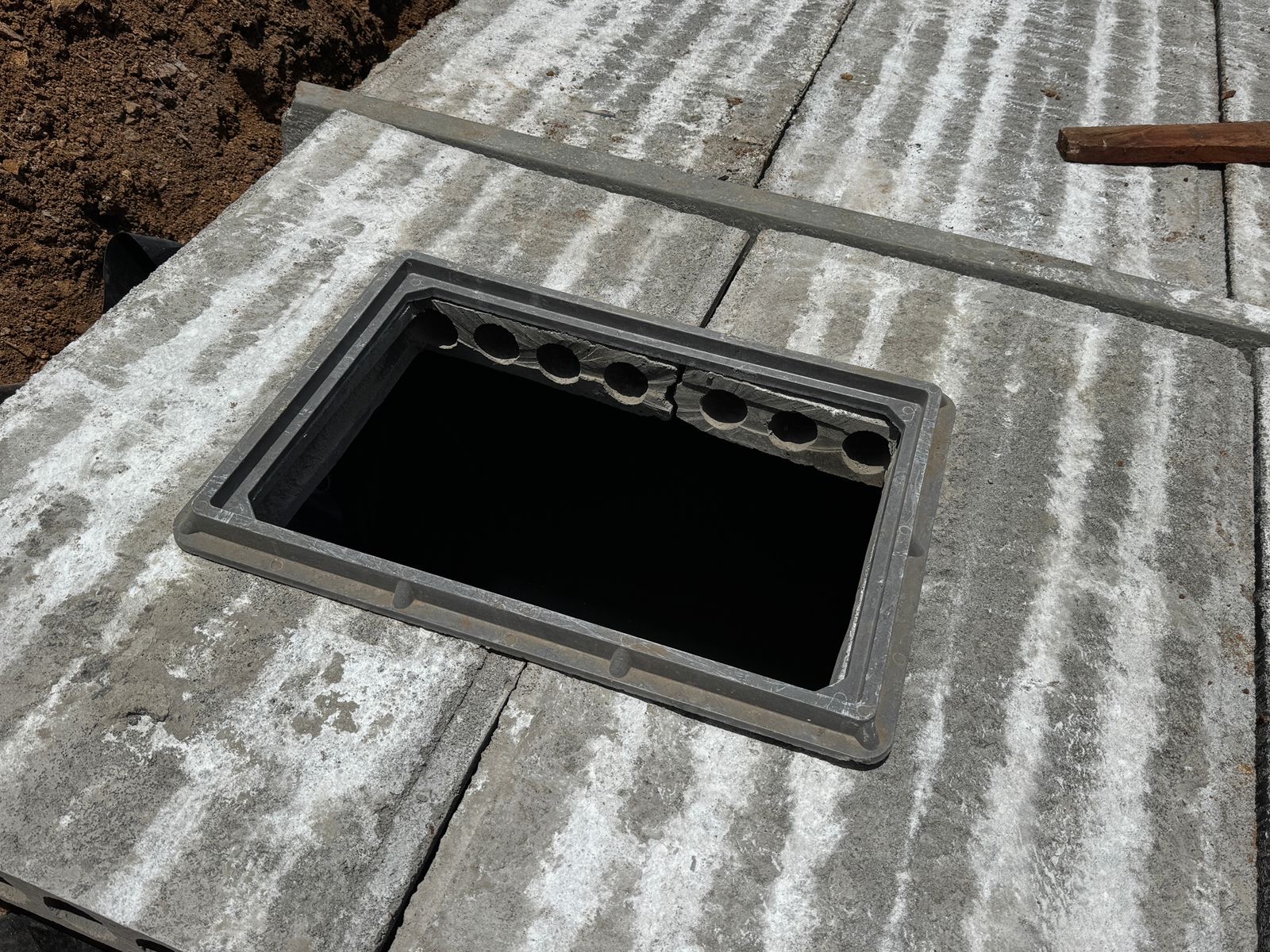
By limiting concrete wall construction to stable soil layers, we reduce reinforcement, shuttering, and material waste. This lowers total construction costs compared to conventional full concrete tanks.
Ideal for areas with:
Black cotton soil
Loose topsoil
Variable subgrade profiles
The flexible HDPE liner conforms to irregular surfaces and prevents leakage even in challenging ground conditions.
We use UV-stabilized HDPE geomembrane liners (0.5mm–1.5mm thickness) designed for long-term durability. Compared to PVC alternatives, HDPE offers:
Higher puncture resistance
Better chemical resistance
Longer lifespan
Improved UV stability
For potable water storage, certified food-grade liners are used.
With precast composite slab systems, construction timelines are significantly shorter. This makes it ideal for large-capacity tanks ranging from:
10,000 litres
50,000 litres
100,000 litres
200,000 litres and above
Membrane tanks are widely used across East Africa for:
Rainwater harvesting
Agricultural irrigation
Institutional water storage
Wastewater containment
They align with modern sustainable building practices and water conservation strategies.
Conduct soil testing and identify stable subgrade (typically 1–3m deep).
Excavate to required dimensions (e.g., 6m x 4m x 3m for ~70,000 litres).
Over-excavate perimeter by 200–300mm for liner anchoring.
Slope excavation sides (1:1 ratio) for temporary stability.
This ensures structural integrity before concrete placement.
Construct walls only from stable soil level downward.
Use Grade 25–30 reinforced concrete.
Reinforcement: Y12 bars at 200mm centres (engineer-specified).
Wall thickness: 150–200mm.
Smooth plaster finish to protect liner.
Install inlet, outlet, and overflow pipe sleeves.
The unstable upper soil section is left without concrete walls, reducing unnecessary structural costs.
Install protective geotextile underlay (200–300gsm).
Lay UV-stabilized HDPE geomembrane (typically 1mm thick).
Heat-weld all joints for seamless waterproofing.
Anchor liner into perimeter trench.
Perform leak testing before full commissioning.
The liner forms a fully impermeable containment system across base and sides.
We use precast composite slab systems for durability and efficiency:
Precast T-beams spaced at 1m intervals
Infill panels between beams
50–100mm concrete screed topping
Integrated manholes and ventilation points
Designed load capacity: 5–10 kN/m²
This allows for safe backfilling and light traffic above the tank.
Controlled backfilling with compacted soil or gravel.
Installation of overflow systems and pumps.
Concrete curing period of 7–14 days.
Final water fill and inspection.
Common installations in Kenya range between:
50,000 litres
100,000 litres
200,000 litres
Estimated cost range:
KES 500,000 – KES 2,000,000
(Dependent on size, depth, soil conditions, and site logistics.)
Contact us for a professional site assessment and accurate quotation.
Get a FREE ESTIMATE today:
0780 955-000
1 Kijabe street ,Universal church building opposite Simlaw seeds
Experience our products firsthand at our flooring showrooms across Kenya. Speak to our experts, compare finishes, and receive a free estimate tailored to your project.
WhatsApp us